How a Pest Control Company Clearwater FL Can Protect Your Home and Why It’s Essential

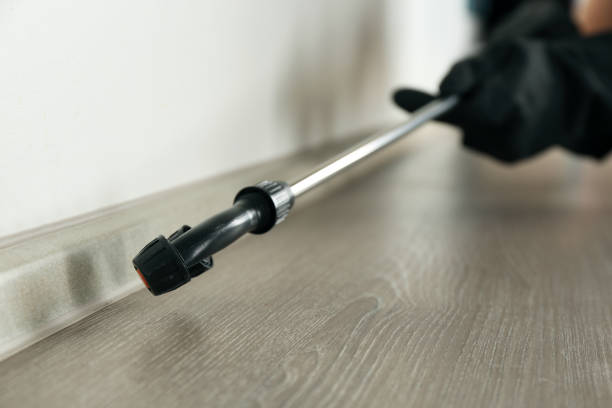
Pest control worker spraying pesticide indoors, closeup Pest control worker spraying pesticide indoors, closeup Pest control stock pictures, royalty-free photos & images

Pest control services play a significant role in maintaining a safe, healthy, and comfortable living environment. Understanding how these services work and why they are essential can help homeowners make informed decisions about protecting their property from unwanted pests.

How Pest Control Services Work

Professional pest control services follow a systematic approach to identify, eliminate, and prevent infestations.

  1. Pest control experts conduct a thorough inspection of your property to identify the type of pests present and assess the extent of the infestation.
  2. Problem areas such as cracks in walls, food storage areas, basements, attics, and gardens are closely examined.
  3. A proper diagnosis is crucial for effective treatment. Professionals identify the species of pest to select the right products and methods tailored to that specific problem.
  4. Based on their findings, exterminators develop a treatment plan that may include chemical applications, baiting systems, physical traps, or eco-friendly solutions depending on your preferences and pest type.
  5. The chosen treatments are applied systematically to target active infestations while also preventing future occurrences.
  6. Methods may include spraying insecticides in hidden crevices or setting up traps around entry points.
  7. Many companies schedule follow-up visits to ensure pests have been eradicated completely and address any recurring issues.

Why Pest Control Services Are Essential

Dealing with pests isn’t just about getting rid of an annoyance—it’s a matter of health, safety, and long-term property protection.

  • Health Risks from Pests Common household pests like rodents, cockroaches, termites, or mosquitoes can carry diseases such as Salmonella or Lyme disease that pose serious health risks to you and your family.
  • Property Damage Prevention Termites alone cause billions of dollars in structural damage annually worldwide by gnawing through wood structures undetected until significant harm is done.
  • Food Safety Contaminated food due to pest activity—like droppings from rodents or insects—can lead to foodborne illnesses.
  • Time-Saving Solution DIY methods often fail due to improper technique or lack of knowledge about specific pests’ behavior patterns; professionals offer targeted solutions backed by experience.

Comparing DIY vs Professional Pest Control Services

Aspect DIY Methods Professional Pest Control
Effectiveness Limited; may not address root cause Highly effective; tailored solutions
Cost Appears cheaper upfront Cost-effective in the long term due to prevention
Safety Measures Can be risky if chemicals used improperly Strict adherence to safety protocols
Time Required Time-intensive Quick resolution

When Should You Call for Professional Help?

Although some minor pest problems can be managed using store-bought remedies or home-based tricks (e. g.
– Persistent infestations despite repeated DIY efforts.
– Signs of structural damage caused by termites or carpenter ants. – Presence of venomous species like scorpions or black widow spiders. – Health concerns related to pests such as bed bugs triggering allergic reactions.

Pest control professionals don’t just eliminate existing threats—they provide homeowners with valuable guidance on how best to safeguard their properties against future invasions. Investing in regular pest maintenance services can ensure peace of mind while preserving both your family’s well-being and your property’s value over time.

Top Tips from an Exterminator Clearwater FL on Preventing Common Home Pest Infestations

Pests are not only a nuisance but can also pose significant health risks and cause damage to your property. Understanding the common pests found in homes and adopting preventative measures can help protect your living space from infestations. Below, we explore some of the most prevalent household pests and actionable steps to keep them at bay.

Common Household Pests

  1. Ants commonly invade homes in search of food and water. They may enter through cracks, gaps, or poorly sealed windows.
  2. Popular types include carpenter ants (which can damage wooden structures) and odorous house ants (attracted to sugary foods).
  3. Roaches thrive in warm, dark environments with easy access to food and moisture.
  4. Their presence can trigger allergies and spread harmful bacteria such as salmonella.
  5. Mice and rats are notorious for gnawing on furniture, wiring, and other materials, which can lead to property damage or electrical fires.
  6. They are also carriers of diseases like hantavirus.
  7. Known as “silent destroyers,” termites feed on wood and cellulose-based materials, potentially causing severe structural damage over time.
  8. These tiny insects infest mattresses, furniture seams, and crevices. They feed on human blood at night, leaving itchy bite marks.
  9. House flies are attracted to decaying organic matter and can be vectors for various diseases like dysentery or food poisoning.
  10. While most spiders are harmless, some species like black widows or brown recluses carry venom that can pose risks to humans.

Preventative Measures for Pest Control

Adopting a proactive approach is key when it comes to pest management in your home.

  • Seal Entry Points
    Close cracks around doors, windows, pipes, or vents using caulk or weatherstripping materials.
  • Maintain Cleanliness
    Regularly vacuum carpets, sweep floors, wipe surfaces clean of crumbs or spills, and take out the trash promptly.
  • Store Food Properly
    Use airtight containers for dry goods such as cereals or grains to prevent attracting pests like ants or cockroaches.
  • Fix Leaks
    Repair dripping faucets or leaking pipes that might provide a water source for roaches or rodents.
  • Declutter Your Space
    Reduce clutter in storage areas such as basements or attics where pests often hide undetected for extended periods.

Table: Signs of Infestation by Pest Type

Pest Type Common Signs of Infestation
Ants Trails leading to food sources; small piles of dirt near walls
Cockroaches Shed skins; droppings resembling black pepper
Rodents Gnaw marks; shredded paper; droppings
Termites Mud tubes along walls; hollow-sounding wood
Bed Bugs Bloodstains on bedding; small dark fecal spots near mattress seams
Flies Frequent sightings around garbage bins
Spiders Presence of webs in corners

When Should You Call a Professional?

  • Large-scale infestations that cannot be managed with DIY solutions.
  • Evidence of structural damage caused by termites.
  • Repeated occurrences despite regular cleaning efforts.

Professional pest control services use specialized tools and techniques tailored to each pest type while ensuring safety for you and your family during the process.

Effective Pest Removal Clearwater FL: Common Pests Found in Homes and Prevention Tips

Pests are an all-too-common problem in residential spaces, capable of causing property damage, spreading diseases, and creating an uncomfortable living environment. Understanding the most common pests found in homes and taking preventive measures can protect your property and promote a healthier home environment.

Common Pests Found in Homes

  1. Typically found in kitchens or areas with access to food.
  2. Attracted to sugary items, crumbs, and uncovered food containers.
  3. Thrive in warm, moist environments such as kitchens and bathrooms.
  4. Known carriers of bacteria like E. coli and Salmonella.
  5. Seek shelter indoors during colder months or when food sources are accessible.
  6. Can chew through wires, woodwork, and insulation while also carrying harmful pathogens.
  7. Often found in mattresses, furniture crevices, and fabric seams.
  8. Feed on human blood at night and spread rapidly if untreated.
  9. Responsible for structural damage as they feed on wood-based materials within walls or floors.
  10. Often identified by mud tubes or discarded wings near windowsills or doors.
  11. Generally harmless but can leave behind webs that create an unsightly appearance indoors.
  12. Some species (e. g. , black widows) may pose health risks through their bites.
  13. Breeding grounds often include standing water around the home (e. g. , clogged gutters or drains).
  14. Known vectors of diseases such as West Nile virus or dengue fever.

Prevention Tips for a Pest-Free Home

  • Seal Entry Points:Inspect your home for cracks in walls, gaps under doors or windowsills, and holes around utility lines; seal these areas using caulk or weatherstripping to eliminate potential entryways for pests.
  • Maintain Cleanliness:Regularly vacuum carpets, wipe down countertops, sweep floors to remove crumbs/food debris; dispose of garbage promptly using sealed trash bins.
  • Store Food Properly:Use airtight containers for pantry items; avoid leaving pet food out overnight.
  • Fix Leaks:Repair dripping faucets/pipe leaks promptly since many pests rely on moisture to survive.
  • Declutter Spaces:Minimize clutter around your home (e. g. , cardboard boxes) which could provide hiding spots for rodents/insects.
  • Outdoor Maintenance:Trim vegetation near your house’s foundation; keep firewood piles stored away from exterior walls.
  • Monitor Humidity Levels:Use dehumidifiers where necessary—especially basements/attics prone to dampness.

Table: Pest-Specific Preventative Measures

Pest Type Prevention Method Additional Notes
Ants Seal cracks; store sweets securely Avoid leaving dirty dishes overnight
Cockroaches Keep spaces dry/clean; use traps Address leaks promptly
Rodents Install mesh screens over vents Store food off the ground
Bed Bugs Wash bedding regularly; inspect secondhand furniture Vacuum frequently
Termites Remove wood debris near foundation Schedule annual inspections
Spiders Regular dusting/removal of webs Check dark corners/storage rooms
Mosquitoes Eliminate standing water Install window screens

Taking proactive steps against common household pests not only protects your home but also ensures a safe living space for you and your family through preventative care rather than reactive solutions after infestations occur.

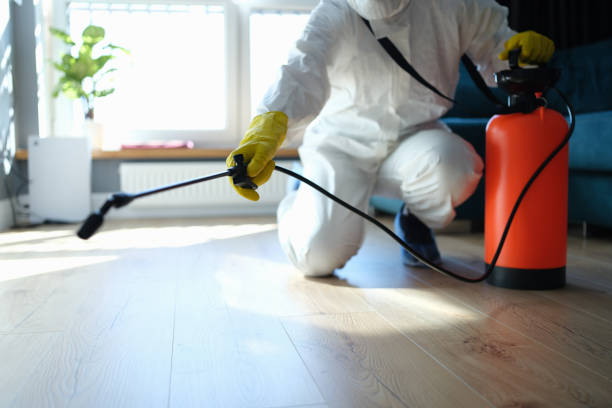
isinfection of premises from insects and rodents with chemicals isinfection of premises from insects and rodents with chemicals. Plumber spray on the background of apartment and pest control Pest control stock pictures, royalty-free photos & images

SAFETY PRECAUTIONS TO FOLLOW DURING A PROFESSIONAL PEST CONTROL SERVICE

Professional pest control services are an effective way to tackle pest infestations, but ensuring safety during the process is equally important. Both homeowners and technicians must take certain precautions to reduce risks from chemical exposure, contamination, or mishandling of equipment. Below are key safety measures to consider before, during, and after a pest control service.

Before the Pest Control Service

Preparing your home ahead of time improves the effectiveness of the treatment and minimizes risk.

  • Remove Food Items: Clear countertops, pantry shelves, and dining areas of any exposed food items. Store them in sealed containers or remove them from the premises altogether.
  • Vacate Sensitive Areas: Remove children’s toys, pet bedding, aquariums (when possible), and other items that may come into contact with chemicals.
  • Ventilation Planning: Identify how you will ventilate your home after treatment if needed. Ensure windows can be opened easily or fans are available for circulation.
  • Secure Pets: Temporarily relocate pets or ensure they remain safe in designated areas away from treated zones. Birds and fish are especially sensitive to chemicals used in pest control treatments.

During the Pest Control Service

  • Maintain a Safe Distance: Stay away from treated areas for the duration specified by your technician—this is particularly important for children and pets.
  • Ask About Chemicals Used: Inquire about any pesticides being used, including their toxicity levels and recommended handling procedures.
  • Wear Protective Gear (if necessary): If you must interact with treated areas during application (e. g. , opening windows), wear gloves or masks as advised by your technician.

After the Pest Control Service

Post-treatment precautions ensure both safety and long-term success of pest eradication efforts.

  1. Adhere strictly to re-entry times provided by professionals—this may vary depending on products used (e. g. , 2–4 hours).
  2. Avoid cleaning treated areas immediately unless instructed otherwise; this could dilute pesticides or disrupt chemical barriers designed for pests.
  3. Focus instead on clearing surfaces like countertops or tables where food preparation occurs using mild soap or disinfectant.
  4. Observe previously infested areas for signs of ongoing pests as some treatments require multiple applications over time.
  5. Keep an eye on pet behavior post-treatment if they were exposed to treated zones.
Safety Measure Recommended Action
Food Protection Remove all exposed food from treatment zones
Ventilation Open windows post-service as directed
Pet Care Relocate pets temporarily; consult vet if exposed
Cleaning Avoid immediate cleaning unless instructed

Why Safety Precautions Matter

Failing to follow proper safety measures can result in health hazards such as respiratory issues, allergic reactions, or accidental poisoning due to pesticide exposure. Additionally, improper handling may compromise the efficacy of professional pest control services.

By implementing these precautions at every stage—before, during, and after—you can maintain a safe environment while effectively addressing pest issues in your home. Always consult with licensed professionals who prioritize transparent communication about potential risks and best practices tailored to your needs.

Effective Clearwater pest control: How to identify and address a bed bug infestation in your home

Bed bugs are a common household pest that can disrupt your comfort and peace of mind. This guide will help you recognize the signs of bed bugs, understand their behavior, and take the necessary steps to eliminate them.

Detecting bed bugs early requires careful observation.

  • ExoskeletonsLook for discarded exoskeletons around mattress seams or furniture.
  • Musty Odor: A strong, unpleasant odor might indicate an advanced infestation caused by pheromones emitted by the insects.

Where Bed Bugs Hide

Bed bugs are notorious for hiding in small crevices close to where humans sleep.

Common Hiding Spots Description
Mattress seams Edges and folds of mattresses and box springs
Bed frames Cracks and joints within wooden or metal frames
Furniture Upholstered chairs and sofas
Carpeting Edges along baseboards or under heavy furniture
Wall cracks Gaps near electrical outlets, behind wallpaper, or wall hangings

Steps to Address a Bed Bug Infestation

  1. Reduce Clutter: Remove unnecessary items from rooms to minimize hiding places for bed bugs.
  2. Wash Bedding and Fabrics: Wash all bedding, clothing, curtains, and linens in hot water (above 120°F) to kill any live bugs or eggs.
  3. Vacuum Thoroughly:
    • Use a vacuum cleaner with strong suction power to clean mattress seams, carpets, furniture cracks, and other affected areas.
  4. Encasement Covers:
    • Use specially-designed mattress encasements to trap any remaining bed bugs inside.
  5. Apply Heat Treatment:
    • High-temperature steamers (above 130°F) can target hard-to-reach areas like corners of furniture.
  6. Inspect Adjacent Areas:
    • Check nearby rooms for signs of spread since infestations frequently extend beyond one area.

When to Call Professionals

  • The infestation has spread across multiple rooms.
  • You’ve been unable to eliminate bed bugs after repeated attempts using home remedies.

Professional exterminators use advanced methods like chemical treatments or heat remediation systems specifically designed to eradicate infestations effectively while minimizing risks.

Preventing Future Infestations

  • Regularly inspect travel luggage before bringing it into your home.
  • Encase mattresses with protective covers designed for pest prevention.
  • Seal cracks around walls, doors, and windows where pests could enter.

By following these steps diligently while seeking professional expertise when needed, you can effectively protect your home from persistent problems caused by bed bugs.

10 Crucial Questions to Ask Before Hiring a Pest Control Service

Choosing the right pest control service is critical to ensure effective and safe pest management for your property. Not all pest control providers are created equal, so asking the right questions can help you make an informed decision.

1. Are You Licensed and Insured?

  • Confirm that the company holds the appropriate licenses to perform pest control services in your area.
  • Check if they carry insurance, including general liability and worker’s compensation, to protect your property in case of accidents.

2. What Types of Pests Do You Specialize In?

Different companies may have expertise in handling specific pests such as termites, rodents, bed bugs, or ants. Ensure the provider has experience addressing the type of infestation you’re dealing with.

3. What Treatment Methods Do You Use?

Ask about their approach—whether they use chemical treatments, eco-friendly alternatives, or integrated pest management (IPM) techniques. Opt for services that align with your safety and environmental concerns.

Treatment Type Description Suitability
Chemical Treatments Use specialized pesticides Effective but may require care
Eco-Friendly Methods Utilize natural or organic solutions Safer for homes with pets/kids
IPM Techniques Combine prevention and targeted treatments Long-term sustainable results

4. What Safety Measures Do You Follow?

  • Inquire about steps taken to minimize risks to humans, pets, and the environment during treatments.
  • Verify whether protective measures like ventilation or evacuation are necessary during application.

5. Can You Provide References or Customer Reviews?

A reputable provider should have positive customer reviews or references readily available. Check online reviews on trusted platforms or request contact details for past clients.

6. Are Your Technicians Certified?

Ensure that technicians employed by the company are certified and trained according to industry standards for safe and effective pest control practices.

7. How Long Have You Been in Business?

Experience often correlates with expertise in handling complex infestations effectively over time.

8. Do You Offer a Guarantee for Your Services?

Find out if there is a guarantee or warranty on their work, such as free follow-up visits if pests return within a specified period.

9. What Is Included in Your Pricing?

Request an itemized quote that includes:
– Initial inspection costs
– Treatment expenses
– Follow-up visits (if applicable)

This ensures transparency while avoiding unexpected charges later on.

10. How Should I Prepare My Home Before Service?

Many companies will provide instructions on how to get your home ready for treatment—this might include:
– Storing food properly
– Removing clutter from affected areas
– Temporarily relocating pets or family members

By asking these questions and carefully evaluating responses, you’ll be better equipped to hire a reliable pest control service tailored to your needs. Researching upfront can save time, money, and the stress of inadequate results later on.


Clearwater Pest Control: Effective Ways to Keep Mice Out of Your Home and Remove Rodents

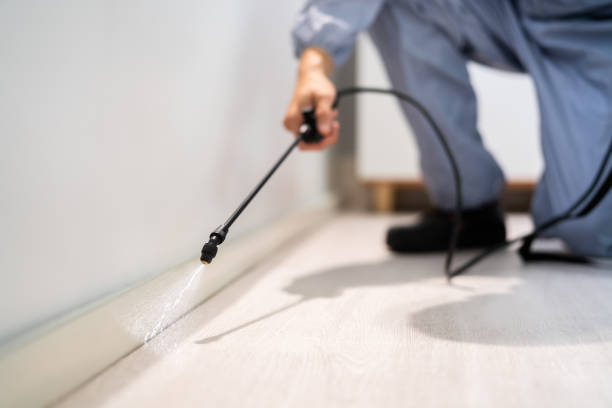
Professional exterminator in work wear spraying pesticide or insecticide with sprayer tank. Professional exterminator in work wear spraying pesticide or insecticide with sprayer tank. Pest control stock pictures, royalty-free photos & images

Mice are small but persistent pests that can infiltrate your home, causing damage to property and potentially spreading diseases. Understanding effective ways to keep mice out of your home and remove existing rodents is essential for maintaining a safe and healthy living environment. Below are practical strategies for both prevention and removal.

Effective Tips from an Exterminator Clearwater FL to Prevent Mice from Entering Your Home

Preventing mice from entering your home is the first line of defense.

  1. Use materials like steel wool, caulk, or foam sealant to close potential entry points.
  2. Pay extra attention to areas around utility pipes and vents.
  3. Clean up crumbs or food spills promptly in kitchens and dining areas.
  4. Regularly dispose of garbage in tightly sealed bins.
  5. Trim shrubs, grass, and tree branches near your house to eliminate hiding spots for rodents.
  6. Store firewood at least 20 feet away from the structure.
  7. Avoid leaving pet food outside overnight.
  8. Place door sweeps on exterior doors.
  9. Use wire mesh on vents or openings around crawl spaces.
  10. Eliminate Moisture Sources
    Mice often seek water sources inside homes:

    • Fix leaky pipes or faucets.
    • Ensure gutters direct water away from the foundation.

Effective Pest Removal Clearwater FL: Safe Methods for Rodents

Trapping Methods

  • Snap Traps:A classic option that quickly eliminates individual mice when placed along walls or other areas with high activity.
  • Live Traps:Humane traps that allow you to capture mice unharmed; be sure to release them far from your property.
  • Glue Boards:Though effective for catching mice, these are less humane due to prolonged suffering.

Using Baits

  • Set up bait stations with rodenticides if other methods fail, but exercise caution if you have pets or children in the house.
  • Always follow manufacturer instructions for proper use.
Type Pros Cons
Snap Traps Cost-effective; reusable Must be manually reset
Live Traps Humane Requires relocation of rodents
Glue Boards Easy-to-use Less humane
Bait Stations Effective for large infestations Potential hazard to non-targets

Professional Pest Control Services

For larger infestations or situations where DIY methods prove ineffective: – Contact licensed pest control professionals who can identify problem areas and implement targeted strategies. – Professionals can provide long-term solutions such as exclusion services.

Tips for Long-Term Prevention

Once you’ve removed existing rodents from your property: – Regularly inspect vulnerable areas like attics and basements for signs of new activity (droppings, gnaw marks). – Continue practicing good sanitation habits throughout your home. – Install ultrasonic repellent devices as an added deterrent.

By combining proactive prevention measures with effective removal methods tailored to your situation, you can protect your home from current and future rodent problems while ensuring a safer environment for everyone inside.

Effective Tips from a Pest Control Company Clearwater FL for Removing and Preventing Mouse Infestations

Mouse infestations can cause significant damage to your home, contaminate food, and pose health risks. Addressing the issue quickly and taking preventative measures is essential for maintaining a safe and healthy living environment. This guide outlines effective strategies to remove mice from your home and prevent future infestations.

Signs of a Mouse Infestation

Recognizing the signs of a mouse infestation is the first step in addressing the issue.

  • Droppings: Small, dark droppings near food sources, along baseboards, or in hidden corners.
  • Gnawed surfaces: Chewed wires, furniture, cardboard boxes, or food packaging.
  • Noises: Scratching or squeaking sounds coming from walls, ceilings, or floorboards.
  • Nests: Shredded paper, fabric, or insulation used by mice to build nests in hidden areas.
  • Strong odor: A musty smell caused by mouse urine.

If you notice any of these signs, it’s time to take action.

Steps to Remove Mice from Your Home

Removing mice requires a combination of trapping methods and cleanliness.

  1. g. , droppings or gnaw marks).
  2. Use high-protein bait such as peanut butter or cheese for maximum effectiveness.
  3. Check traps daily and safely dispose of captured mice.
  4. Consider using bait stations with rodenticides if traps are ineffective.
  5. Be cautious when using poison if pets or children are present; opt for tamper-proof bait stations.
  6. Regularly clean countertops, floors, and kitchen appliances to eliminate crumbs and spills.
  7. Dispose of garbage promptly in sealed trash bins.

Preventing Future Mouse Infestations

Prevention is key when it comes to managing rodent problems long-term.

Home Maintenance Tips

Area Action
Exterior Walls Seal cracks with caulk or cement
Doors & Windows Install weather stripping
Roof & Attic Repair damaged shingles
Vents & Chimneys Install mesh screens

Habits That Reduce Risks

  • Avoid leaving pet food out overnight.
  • Keep firewood stacked away from your home’s foundation.
  • Trim tree branches that overhang onto roofs; they provide access routes for rodents.

Natural Deterrents That Help

For those seeking non-toxic solutions: – Sprinkle peppermint oil near entry points (mice dislike its strong scent).
– Use ultrasonic devices designed to repel rodents with high-frequency sounds.
– Plant mint around outdoor areas as an added deterrent.

How to Remove and Prevent Mouse Infestations in Your Home

Mouse infestations can pose significant health risks, cause structural damage, and create an unpleasant living environment. To effectively address and prevent mouse infestations in your home, a combination of proactive measures, proper sanitation, and elimination strategies is essential. Below is a comprehensive guide on how to tackle mouse problems effectively.

Signs of a Mouse Infestation

Before taking action, it’s crucial to identify whether you have a mouse infestation.
Droppings:Small dark droppings near food sources, along baseboards, or in hidden areas.
Gnaw Marks:Chewed wires, furniture, or food packaging.
Noises:Scratching or scurrying noises within walls or ceilings during the night.
Nest Materials:Shredded paper, fabric, or insulation gathered in small piles.
Tracks and Smudges:Greasy marks on walls or floors where mice travel frequently.

By recognizing these signs early on, you can prevent the problem from escalating.

Steps to Remove Mice from Your Home

  1. Seal Entry Points:
  2. Identify cracks in walls, gaps around pipes, and spaces under doors.
  3. Use steel wool or hardware cloth to block openings; seal with caulk for reinforcement.
  4. Install door sweeps to prevent access under exterior doors.
  5. Eliminate Food Sources:
    Reducing food availability will make your home less appealing:
  6. Clean up crumbs and spills immediately.
  7. Secure trash bins with tight-fitting lids.
  8. Set Traps Strategically:
    Trapping is an effective method for eliminating mice:
  9. Place traps along walls where mice often travel.
  10. Use bait such as peanut butter, chocolate, or cheese for better results.
  11. Monitor traps regularly and dispose of captured mice promptly.
  12. Use Rodenticides Carefully (If Necessary):
    When traps aren’t sufficient:
  13. Opt for rodenticides as a last resort when dealing with large infestations.
  14. Follow all safety guidelines and keep toxic substances away from children and pets.

Preventing Future Infestations

  • Improve Home Maintenance:| Area | Action | |————————|———————————————————————–| | Attics & Crawl Spaces | Keep these areas dry and ventilated to deter nesting activities. | | Exterior Walls | Check for loose siding or foundation cracks regularly. | | Landscaping | Trim vegetation near the house; avoid placing firewood against walls.
  • Clean kitchen surfaces daily to remove potential attractants.
  • Vacuum floors frequently to eliminate crumbs.
  • Avoid leaving pet food out overnight.
  • Utilize Natural Deterrents: Some natural options can help deter rodents from entering your space:
    • Peppermint oil: Soak cotton balls in peppermint oil and place them near entry points.
    • Ultrasonic repellents: Devices that emit high-frequency sounds may discourage rodents.

Professional Assistance

In cases of severe infestation where DIY measures prove ineffective, it’s advisable to hire a licensed pest control professional who can assess the extent of the problem and provide tailored solutions efficiently while ensuring safety within your household environment.

By following these steps diligently and maintaining preventive practices year-round, you can protect your home from recurring mouse issues while maintaining a safe living space for you and your family.

Pest Control Exterminator Man Spraying Pesticide Pest Control Exterminator Man Spraying Termite Pesticide In Office Pest control stock pictures, royalty-free photos & images

Why Mouse Infestations Are Dangerous and How to Address Them

Mouse infestations are more than just a nuisance; they pose several risks to your home, health, and overall well-being. Understanding the dangers of these small rodents and how to manage them effectively can help protect your household from potential harm.

The Dangers of Mouse Infestations

Mice can cause a variety of problems when they invade your living space.

  1. Disease Transmission: Mice are carriers of numerous diseases, such as Hantavirus, Salmonella, and Leptospirosis. These illnesses can spread through their droppings, urine, or saliva.
  2. Food Contamination: Mice often scavenge for food in kitchens and pantries, contaminating food supplies with bacteria or pathogens that pose serious health risks.
  3. Allergies and Asthma: The fur, dander, and droppings of mice can trigger allergic reactions or worsen asthma symptoms in sensitive individuals.
  4. Chewing Habits: Mice gnaw on various materials including wood, electrical wiring, insulation, and drywall. This damage can compromise the structure of your home.
  5. Fire Hazards: Damaged electrical wiring caused by mice chewing poses a significant fire risk.
  6. A single pair of mice can reproduce quickly; females give birth to litters every few weeks. This rapid population growth makes infestations challenging to control if not addressed promptly.

How to Address Mouse Infestations

Tackling a mouse infestation effectively requires both proactive prevention measures and active control strategies.

  1. Clean kitchens regularly by wiping down counters and sweeping floors to remove crumbs.
  2. Place snap traps or glue traps strategically along walls where mice frequently travel.
  3. Bait traps with high-protein foods like peanut butter for better results.

Preventing Future Infestations

Preventive Measure Description
Regular Inspections Check for new signs of rodent activity such as droppings or gnaw marks regularly.
Proper Waste Management Secure garbage bins with tight-fitting lids and dispose of waste promptly.
Maintain Landscaping Trim vegetation near your home’s foundation as overgrown plants provide shelter for rodents.

By understanding why mouse infestations are dangerous and implementing both immediate solutions and preventive measures, you can safeguard your home against future rodent problems while ensuring the health and safety of everyone inside it.

How to Get Rid of Mouse Infestations Quickly and Effectively

Mouse infestations can lead to a variety of problems, from property damage to potential health risks. Acting swiftly and effectively is crucial to minimize these risks. Below are step-by-step methods and strategies you can use to eliminate mice from your home while preventing future infestations.

Identify the Signs of a Mouse Infestation

Before tackling the infestation, it’s important to confirm that mice are indeed the problem.

  • Droppings:Small, pellet-shaped droppings near food sources or along walls.
  • Gnaw Marks:Mice often chew through wires, wood, and even plastic.
  • Tracks or Smear Marks:Greasy smudges along baseboards or walls indicate their pathways.
  • Scratching Noises:You may hear faint scratching in walls, ceilings, or beneath floors at night.
  • Nests:Shredded materials like paper or fabric collected in secluded areas.

If these signs are present, it’s time to take action.

Quick and Effective Methods for Getting Rid of Mice

  1. Inspect your property thoroughly for cracks, gaps, and holes.
  2. Use caulk or steel wool to seal small gaps (less than 1/4 inch).
  3. Install door sweeps on exterior doors.
  4. Set Up Traps
    Traps remain one of the most effective ways to catch mice indoors.
  5. Snap Traps: Ideal for quick elimination; place bait like peanut butter for best results.
  6. Glue Boards: Effective for smaller infestations but should be used with caution due to ethical concerns.
  7. Electronic Traps: These traps provide a humane and efficient way to kill mice instantly.
  8. Use Bait Stations Appropriately
    Bait stations containing rodenticides can be highly effective but must be used carefully:
  9. Keep away from children and pets by placing them in inaccessible areas.
  10. Position bait stations near areas where you’ve noticed high activity levels (e. g. , near droppings).
  11. Maintain Cleanliness
    A clean home is less inviting to rodents:
  12. Sweep up crumbs regularly and wipe down countertops after meals.
  13. Empty trash bins regularly and ensure lids fit tightly.
  14. Remove Nesting Materials
    Mice often use soft materials like shredded fabric or paper for nesting:
  15. Declutter storage areas like basements or attics where materials may accumulate.
  16. Keep cardboard boxes off the floor by storing items in plastic tubs instead.

Preventing Future Infestations

Prevention Method Description
Regular Home Inspections Check for new holes or gaps every few months.
Landscaping Maintenance Keep shrubs trimmed and firewood stored at least 20 feet from your home’s foundation.
Pet Ownership Cats can act as natural deterrents against mice in some cases (though not guaranteed).
Professional Pest Control Schedule annual inspections with licensed exterminators for peace of mind.

By combining proactive measures with diligent maintenance practices, you can ensure that your home remains mouse-free over time.

Effectively addressing a mouse infestation requires prompt action, thorough inspection, and consistent prevention measures. By following these steps systematically, you can quickly regain control over your living space without compromising safety or hygiene.

Natural Mouse Repellents: What Works to Repel Mice Safely

Mice can be a nuisance in any home, and while traditional methods like traps and poisons are often used, many homeowners are turning to natural solutions. Natural repellents are safer for households with children or pets and are environmentally friendly. Below is an exploration of effective natural mouse repellents that could help keep your home rodent-free.

Why Choose Natural Mouse Repellents?

  • Safety: They minimize health risks, especially in sensitive environments such as homes with small children or animals.
  • Eco-Friendly: They reduce the use of toxic substances that may harm the ecosystem.
  • Non-Lethal Solutions: For those who prefer humane pest control, natural options focus on deterring rather than killing.

Common Natural Mouse Repellents

  1. Mice dislike the strong scent of peppermint oil. Soak cotton balls in peppermint oil and place them near entry points such as doors, windows, or cracks in walls.
  2. Refresh the oil every few days for maximum effect.
  3. The potent smell of cinnamon can be effective in driving away rodents. Sprinkle ground cinnamon around areas where mice tend to appear or use cinnamon essential oil in a similar fashion as peppermint oil.
  4. A solution made from equal parts vinegar and water can deter mice due to its strong odor. Spray it around potential nesting or entry sites.
  5. Whole cloves or clove oil can act as natural deterrents when placed near areas where mice have been spotted.
  6. Spicy ingredients irritate rodents’ senses and discourage them from lingering too long in treated areas.
  7. The pungent smell of garlic is another safe way to discourage mice from entering your space.
  8. Scatter used coffee grounds around common mouse pathways to disrupt their activity.
Repellent Application Method Effectiveness Frequency of Use
Peppermint Oil Cotton balls near entry points High Every 2–3 Days
Cinnamon Sprinkle powder/essential oil Moderate Weekly
Vinegar Mix Spray on surfaces Moderate Every 3–5 Days
Cloves/Clove Oil Direct placement High Weekly
Cayenne Pepper Sprinkle powder Moderate Biweekly

Preventive Measures Alongside Natural Remedies

  • Seal cracks, gaps, and holes in walls and floors using steel wool or caulk.
  • Keep your living spaces clean by minimizing clutter and vacuuming regularly.
  • Take out trash frequently and ensure bins are tightly sealed.
  • Trim back vegetation near your home’s exterior to limit hiding spots for rodents.

Are Natural Methods Enough?

Natural repellents work well for minor infestations or preventive efforts but may not always suffice during severe infestations. If the problem persists despite using these remedies, consider consulting a professional pest control service for assistance.

By integrating these safe methods into your pest control routine, you can enjoy a cleaner environment without relying on harsh chemicals while respecting the balance of nature within your household ecosystem.

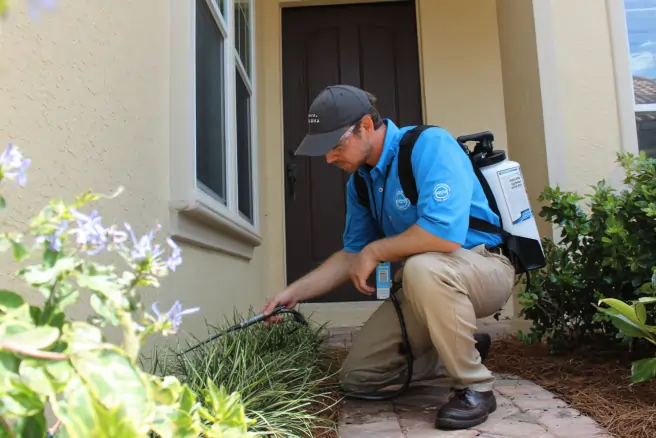
Exterminator in work spraying pesticide or insecticide with sprayer Exterminator in work spraying pesticide or insecticide with sprayer Pest control stock pictures, royalty-free photos & images

Identifying a Mouse vs. Rats

When dealing with rodent infestations, accurately identifying the type of pest in your home is crucial for effective control measures. Mice and rats are often mistaken for one another, but there are distinct differences in their physical characteristics, behaviors, and the potential threats they pose to your property. Below is a comprehensive guide to help you differentiate between these common rodents.

Physical Differences

One of the easiest ways to distinguish between mice and rats is by observing their physical traits.

Feature Mice Rats
Size Smaller (2-4 inches long) Larger (7-9 inches long)
Tail Long, thin, and proportional Thick, scaly, shorter relative
Ears Large relative to head Smaller relative to head
Nose/Face Pointed Blunt
Color Light brown or gray Dark brown or black

Behavioral Characteristics

  • Mice tend to nest indoors and prefer warmer spaces such as walls or cabinets.
  • Rats are more adaptable; they can reside both indoors and outdoors but often prefer basements, sewers, or attics.
  • Mice nibble on small portions of food frequently. They leave behind scattered crumbs as evidence of activity.
  • Rats are opportunistic feeders that consume larger quantities of food in one sitting.
  • Mice are agile climbers and jumpers; they leave smaller droppings (about 1/4 inch).
  • Rats create more noticeable paths due to their size and leave larger droppings (1/2 inch).

Health Risks Associated with Each

  • Mice:
    While mice can spread diseases like hantavirus or salmonella through droppings or urine, they typically pose less risk than rats due to their smaller size.
  • Rats:
    Rats are known carriers of more severe diseases such as leptospirosis and rat-bite fever. Their ability to chew through materials like wood or wiring also makes them a greater threat to structural safety.

Signs of an Infestation

  • Look for gnaw marks (mice tend to leave smaller teeth marks compared to rats).
  • Check for droppings — remember that size matters when distinguishing between the two rodents.
  • Listen for noises at night; light scurrying generally indicates mice while heavier thumps suggest rats.

Why Proper Identification Matters

By correctly identifying whether you’re dealing with a mouse or rat infestation, you can implement targeted solutions rather than wasting time on ineffective methods.

  • Sticky traps may work better for mice due to their lighter weight while snap traps designed specifically for larger rodents will be more effective against rats.
  • Entry points used by mice might be as small as a dime-sized gap whereas rat access points are likely larger and require different sealing techniques.

Understanding these distinctions ensures that pest control efforts are efficient and minimizes risks associated with infestations in your home.

What Can Be Done About Mice in Crawl Spaces and Attics?

Mice can be particularly problematic when they find their way into crawl spaces and attics. These areas offer ideal environments for nesting due to their warmth, darkness, and low levels of human disturbance. Left unchecked, mice can cause structural damage, contaminate insulation, and pose health risks.

Assess the Situation

Before taking action, it’s important to evaluate the severity of the infestation.

  • Droppings: Small, dark droppings are a clear indicator of mouse activity.
  • Gnaw Marks: Chewed wires, wood structures, or personal belongings signal their presence.
  • Noise: Scratching or scampering sounds at night are a strong indication of mice.
  • Nests: Look for shredded paper, fabric, or insulation that may have been used to create nests.

Thoroughly inspect these areas using a flashlight and protective gear to avoid exposure to contaminants.

Sealing Entry Points

One of the most effective ways to keep mice out is by sealing possible entry points they use to gain access. Even small gaps are enough for them to squeeze through.

Material Purpose
Steel Wool Blocks small gaps effectively; mice cannot chew through it.
Caulk Fills cracks and crevices in walls or around pipes.
Hardware Cloth (Wire Mesh) Covers larger openings such as vents or utility lines.

Inspect areas like vents, utility pipes, foundation cracks, and roof edges where gaps commonly occur.

Setting Traps

Traps are an effective way to reduce an existing mouse population in your crawl space or attic without introducing harmful chemicals into your home.

  • Snap Traps: Reliable and humane when used properly.
  • Live Traps: Useful if you prefer catch-and-release methods (check local guidelines before releasing).
  • Glue Traps: May be less humane but can be used as a last resort.

When placing traps: 1. Position them along walls where mice are likely to travel. 2. Use bait such as peanut butter or seeds. 3. Check traps frequently and dispose of captured rodents properly.

Cleaning Up Infested Areas

  1. Wear gloves and an N95 mask during cleanup.
  2. Remove contaminated insulation if necessary.
  3. Disinfect all surfaces with bleach diluted in water (1 part bleach to 10 parts water).
  4. Dispose of all nesting materials carefully in sealed plastic bags.

Proper cleaning eliminates remaining scents that could attract other rodents in the future.

Preventive Measures

– Trim back tree branches near your roofline that could provide access routes for rodents. – Regularly inspect your attic and crawl space for signs of new activity.

By addressing infestations promptly and implementing preventive strategies, you can protect your home from structural damage and health risks associated with mice infestations in crawl spaces and attics. Providing consistent maintenance minimizes the likelihood of recurring problems over time.


How a Pest Control Company Clearwater FL Can Ensure Your Health and Safety

young man chooses to use termite control chemicals that are not toxic to humans mixed with water in tank for spraying to eliminate termites. enabling young man to spray termite repellant by himself young man chooses to use termite control chemicals that are not toxic to humans mixed with water in tank for spraying to eliminate termites. enabling young man to spray termite repellant by himself Pest control stock pictures, royalty-free photos & images

Pest control plays a critical role in maintaining the health and safety of individuals, families, and communities. Pests such as rodents, insects, and other unwanted organisms can pose significant threats to both physical health and property. Understanding the importance of pest control can help mitigate these risks effectively.

The Impact of Pests on Health

  • Carry harmful pathogens like Salmonella, Hantavirus, and Leptospirosis.
  • Contaminate food supplies through droppings or urine.
  • Trigger allergies and asthma, especially in children.
  • Spread bacteria such as E. coli and Salmonella by contaminating surfaces.
  • Transmit diseases like Malaria, Dengue Fever, West Nile Virus, and Zika Virus.
  • Although not directly linked to health issues, termites weaken structural integrity, potentially making homes unsafe to inhabit.

By addressing pest issues promptly through proper control methods, these risks can be significantly minimized.

Why Pest Control Is Essential for Property Safety

Pest Type Common Damage
Termites Weaken wooden structures; costly repairs
Rodents Chew electrical wires; risk of electrical fires
Ants Damage wooden structures; contaminate food
Bed Bugs Infest furniture; costly exterminations

Effective pest control ensures that homes and workplaces remain safe from these destructive effects.

Benefits of Regular Pest Control Practices

  1. Disease Prevention: Reduces risks of contracting illnesses spread by pests.
  2. Improved Hygiene: Minimizes contamination in kitchens, storage areas, or businesses handling food.
  3. Long-Term Cost Savings: Prevents expensive repairs caused by structural damage.
  4. Peace of Mind: Alleviates stress associated with infestations by creating a safer environment.

Tips for Proactive Pest Control

  • Seal cracks in walls or foundations to prevent entry points for rodents or insects.
  • Store all food items in airtight containers to discourage infestations.
  • Remove standing water sources to avoid mosquito breeding grounds.
  • Schedule regular inspections with professional pest control services.

By addressing potential vulnerabilities proactively and utilizing professional assistance when needed, you can ensure a healthier living space while safeguarding your property investments.

How Clearwater pest control ensures a safer and healthier environment

Proactive pest control is a critical measure to safeguard both residential and commercial spaces from the risks associated with pest infestations. Waiting until pests become visible or problematic can lead to extensive damage, increased health risks, and higher remediation costs. By addressing pest concerns early, you can ensure a healthier environment while preventing potential long-term issues.

Benefits of Hiring an Exterminator Clearwater FL for Proactive Pest Management

  • Early Detection: Identifying potential pest issues before they escalate helps in minimizing damage.
  • Cost Efficiency: Preventative measures are generally more affordable than dealing with full-blown infestations requiring extensive treatments or repairs.
  • Improved Sanitation: Routine inspections and treatments reduce the likelihood of pests contaminating surfaces, food supplies, or water sources.
  • Health Protection: Pests such as rodents, cockroaches, and mosquitoes carry diseases that can pose significant health risks to humans and pets.
  • Enhanced Peace of Mind: Preventative strategies eliminate the stress associated with unexpected infestations.

Effective Pest Removal Clearwater FL to Avoid Key Health Risks

Pest Type Associated Risks
Mosquitoes Spread diseases such as malaria, dengue fever, Zika virus.
Rodents Carry pathogens like Salmonella and Hantavirus; contaminate food sources.
Cockroaches Trigger asthma attacks; spread bacteria including E. coli and Salmonella.
Termites Cause structural damage leading to unsafe living environments.

By engaging in proactive pest management practices, these risks can be minimized.

Strategies for Proactive Pest Control

  1. Regular Inspections
    Schedule routine inspections of your property by licensed professionals to identify early signs of infestation or vulnerabilities.
  2. Seal Entry Points
    Prevent pests from entering by sealing cracks in walls, repairing window screens, and caulking gaps around doors.
  3. Remove food debris promptly from surfaces.
  4. Store all food items in airtight containers.
  5. Dispose of garbage regularly in sealed trash bins.
  6. Eliminate Standing Water
    Mosquitoes breed in stagnant water; therefore:
  7. Empty outdoor containers collecting water.
  8. Maintain gutters and drains to prevent blockages.
  9. Use Professional Services
    Partnering with certified pest control providers ensures access to safe chemical treatments, advanced techniques, and regular maintenance plans tailored to your space’s unique needs.

Economic Impact of Procrastination Regarding Pest Control

Issue Costly Consequences
Structural Damage Repairing termite-damaged wood or drywall may cost thousands of dollars.
Food Contamination Replacing spoiled goods due to rodent activity increases grocery bills.
Disease Treatment Medical costs for illnesses caused by pests quickly add up for families.

A proactive mindset not only protects human health but also prevents unnecessary financial burdens associated with severe infestation scenarios.

By adopting preventative approaches rather than reactive ones, we create safer living spaces for families while protecting businesses from operational challenges caused by pests.

Beyond the Spray Can: Exploring the Long-Term Benefits of Professional Pest Management

Pest control is often misunderstood as a short-term solution revolving around the use of sprays, traps, and chemicals. While these methods can be effective in addressing immediate infestations, long-term pest management offers far-reaching benefits that go beyond merely eliminating visible pests. Professional pest management takes a holistic approach, focusing on prevention, sustainability, and safeguarding health and property for years to come.

The Advantages of Professional Pest Management

  1. Professionals conduct thorough inspections to identify vulnerabilities in your property (e.g., cracks in walls or gaps around windows).
  2. They assess the type of pest infestation and the factors contributing to it.
  3. Unlike over-the-counter sprays or DIY methods, professionals develop tailored solutions specific to your needs.
  4. These solutions focus on eliminating current infestations while preventing future occurrences.
  5. Pests carry diseases that can pose serious risks to humans and pets (e.g., rodents spreading hantavirus or cockroaches triggering asthma).
  6. Professionals use safe techniques designed to minimize risks while effectively eradicating pests.
  7. Investing in professional services reduces potential damage caused by pests like termites or rodents, which can lead to costly repairs if left unchecked.
  8. Preventative measures lower the likelihood of recurring infestations that would otherwise require repeated treatments.
  9. Many professional pest control companies use Integrated Pest Management (IPM) techniques that prioritize eco-friendly methods such as habitat modification and biological controls over chemical treatments.

Key Differences Between DIY Methods and Professional Services

Feature DIY Methods Professional Services
Scope Targets visible pests only Focuses on root causes & prevention
Effectiveness Often temporary Long-lasting results
Safety Higher risk of misuse of chemicals Expertise ensures proper application
Long-Term Cost Potentially higher due to repeat use More cost-effective over time

Why Prevention Matters More Than Reaction

Many households rely on reactive measures—only seeking help when an infestation becomes visible or unmanageable. However, this approach allows pests more time to cause damage or spread diseases before intervention occurs.

  • Sealing entry points like cracks or gaps around doors and windows.
  • Regular inspections to detect early signs of infestation.
  • Educating property owners about proper sanitation practices (e.g., securing waste storage areas).
  • Establishing routine maintenance schedules for consistent protection.

Longevity Through Maintenance Plans

One often-overlooked benefit of professional pest management is ongoing maintenance plans. These contracts provide homeowners or businesses with periodic visits from trained experts who monitor for potential issues before they escalate into larger problems.

  • Seasonal adjustments for different types of pests (e.g., rodents in winter months vs. mosquitoes during summer).
  • Continuous education about emerging threats specific to your region.
  • Peace of mind knowing your home or business remains safeguarded year-round.

Final Thoughts

Beyond the immediate relief provided by sprays or traps, professional pest management offers enduring advantages through its comprehensive approach. By prioritizing prevention over reaction, leveraging expert knowledge, and employing sustainable practices, professionals ensure healthier environments that are less susceptible to future infestations—all while reducing long-term costs associated with structural damage and health concerns caused by pests.

Understanding Pest Control Basics to Protect Your Home and Workplace

Pest control is a vital aspect of maintaining a safe, clean, and healthy environment in both residential and professional settings. By understanding the basics of pest control, property owners can take proactive steps to prevent infestations, minimize damage, and protect their well-being. Below is an overview of the key principles and practices that will help you safeguard your home and workplace.

Why Pest Control Matters

  • Spread harmful diseases (e.g., salmonella from rodents or dengue fever from mosquitoes).
  • Trigger allergies or asthmatic reactions through droppings or shed body parts.
  • Cause structural damage to buildings (e.g., termite infestations undermining wooden structures).
  • Contaminate food supplies by introducing bacteria or pathogens.

Effective pest control keeps these threats at bay while fostering a healthier living or working environment.

Steps for Basic Pest Prevention

  1. Inspect windows, doors, vents, and utility openings for cracks or gaps.
  2. Use caulk or weatherstripping to seal potential entryways.
  3. Store food in airtight containers to avoid attracting pests like ants and rodents.
  4. Regularly clean areas prone to food debris accumulation such as kitchens and break rooms.
  5. Fix leaky pipes, faucets, or drains promptly.
  6. Ensure proper ventilation in bathrooms and kitchens to reduce humidity.
  7. Empty trash bins frequently.
  8. Use tightly sealed garbage cans both indoors and outdoors.

Common Pests Found Indoors

Pest Risks Prevention Tips
Cockroaches Allergens; spread bacteria like E.coli & salmonella Keep surfaces clean; seal cracks
Rodents Disease transmission; chew wiring causing fire hazards Eliminate food sources; trap strategically
Termites Structural damage due to wood consumption Regular inspections; install barriers
Ants Contaminate food supplies Block access points; use bait systems

Using Integrated Pest Management (IPM)

  • Inspection: Regularly monitor for early signs of infestations such as droppings or damaged materials.
  • Identification: Correctly identify the species involved so that targeted strategies can be applied.
  • Control Methods: Use physical traps where possible before resorting to chemical treatments.

By focusing on prevention first while employing targeted intervention methods when necessary, IPM reduces dependence on pesticide use.

When Professional Help Is Essential

  • Severe infestations where DIY solutions prove insufficient.
  • Pests with high health risks like bed bugs or rodents carrying diseases.
  • Structural infestations (e.g., termites) requiring specialized equipment for eradication.

Professionals bring expertise in identifying hidden problems while using safe methods tailored to your specific situation.

By understanding these pest control principles—and implementing them consistently—you’ll create an environment that’s not only free from unwanted intruders but also healthier and safer overall.

Pest control worker spraying pesticide around furniture indoors, closeup Pest control worker spraying pesticide around furniture indoors, closeup Pest control stock pictures, royalty-free photos & images

Implementing Effective Pest Control Guidelines for Maximum Protection Against Infestations

Effective pest control is an essential aspect of maintaining a safe and hygienic environment in both residential and commercial spaces. By implementing a well-structured set of pest control guidelines, you can significantly reduce the risk of infestations while ensuring the health and safety of everyone in the area. Below are practical steps, strategies, and best practices to follow for maximum protection against pests.

Key Steps to Develop an Effective Pest Control Plan

  1. Conduct routine inspections to identify potential signs of infestation early.
  2. Focus on high-risk areas such as kitchens, basements, attics, and storage spaces.
  3. Use tools like flashlights, magnifiers, or moisture meters to detect hidden pests and their breeding grounds.
  4. Eliminate Attractants
    Pests are drawn to environments with easy access to food, water, and shelter. To reduce this risk:
  5. Store food in airtight containers.
  6. Clean up spills immediately and avoid leaving dirty dishes overnight.
  7. Fix leaking pipes or faucets to eliminate water sources for pests.
  8. Seal Entry Points
    Prevent pests from entering your home or workplace by:
  9. Sealing cracks in walls and foundations with caulk or expanding foam.
  10. Installing weather stripping on doors and windows to close gaps.
  11. Using mesh screens over vents and drains.
  12. Dispose of Waste Properly
    Improper waste disposal creates a haven for pests like rodents and flies:
  13. Use trash bins with tight-fitting lids.
  14. Take out garbage regularly rather than letting it accumulate indoors.
  15. Compost organic waste at a safe distance from living areas.

Best Practices for Long-Term Pest Prevention

  • Routine Maintenance: Schedule periodic professional pest control services even if there aren’t visible signs of infestation.
  • Educate Occupants: Teach family members or employees about common pest habits and prevention measures.
  • Proper Landscaping: Trim bushes away from walls, keep grass cut short, and ensure there’s no standing water around your property.
  • Monitor Seasonal Trends: Be particularly vigilant during seasonal changes when certain pests (like ants or roaches) tend to invade homes more frequently.

Common Household Pests & Prevention Tips

Pest Common Signs Prevention Tips
Ants Small trails near food Keep counters clean; seal food tightly
Cockroaches Droppings near dark areas Declutter; repair leaky pipes
Rodents Chewed wires/holes Seal entry points; use traps
Termites Hollow wood/sawdust Conduct annual termite inspections

Benefits of Following Pest Control Guidelines

  • Reduced Health Risks: Minimizes exposure to diseases carried by pests such as rodents (Hantavirus) or mosquitoes (West Nile Virus).
  • Enhanced Property Value: Prevents costly damage caused by termites or other destructive insects.
  • Improved Quality of Life: A pest-free space promotes hygiene standards while reducing stress associated with infestations.

By taking proactive measures against potential infestations through structured guidelines, you can create an environment that is both safe and healthy for everyone involved—whether at home or workspaces alike.

Reaping the Benefits of Consistent and Thorough Pest Control Measures

Effective pest control is not a one-time solution but a continuous process that ensures homes and workplaces remain safe, comfortable, and free from infestations. By adopting consistent and thorough pest control measures, property owners can protect their spaces from damage, maintain hygiene standards, and avoid health risks. Below, we explore the key benefits of routine pest management practices.

Protection Against Structural Damage

  • Weakened foundations due to termite activity.
  • Damaged wiring, which is often caused by rodents chewing through electrical cables.
  • Compromised insulation, as some pests tear it apart to build nests.

By addressing these issues proactively, property owners can save thousands in repair costs.

Improved Health and Hygiene

  • Reducing exposure to allergens caused by cockroach droppings or dust mites.
  • Eliminating pests that spread diseases like Hantavirus (transmitted through rodents) or Lyme disease (carried by ticks).
  • Ensuring food storage areas remain uncontaminated by pests like ants or pantry moths.

Maintaining a clean environment reduces the likelihood of illness among occupants.

Cost Savings Over Time

Scenario Cost Estimate Without Prevention Cost Estimate With Prevention
Termite damage repair $3,000 – $8,000 Routine inspection: $300 – $500/year
Rodent chewed wiring replacement $1,500 – $3,000 Preventative traps: $150 – $300/year
Bed bug treatment $1,000 – $5,000 Regular monitoring: ~$200/year

Investing in preventative measures ensures smaller expenses over time rather than hefty emergency costs.

Peace of Mind for Occupants

  • Ensuring early detection before infestations become visible.
  • Addressing potential risks before they pose serious safety or health concerns.
  • Providing confidence that your space is consistently monitored and properly maintained.

A well-maintained environment fosters productivity at work and comfort at home.

Supporting Environmental Responsibility

  • Reduced environmental impact.
  • Safer practices for humans and pets.
  • Sustainable long-term pest prevention strategies.

Choosing consistent yet environmentally conscious methods benefits both your property and the planet.

By implementing a proactive approach with regular maintenance cycles tailored to specific properties’ needs, property owners maximize protection while creating healthier living conditions for everyone involved.

Health Risks Associated with Ant Infestations and How to Prevent Them

Ant infestations are a common pest issue in residential and commercial spaces. While they may appear harmless, certain species of ants can pose significant health risks and cause structural damage. Understanding these risks and implementing preventive measures can help maintain a safe and healthy environment.

Health Risks Linked to Ant Infestations

  • Food Contamination:
    Ants often travel through unsanitary areas such as trash bins, drains, or soil before entering your home or workplace. They carry bacteria like Salmonella and E. coli, which they can transfer to food or food preparation surfaces while foraging.
  • Allergic Reactions:
    Some individuals may experience allergic reactions from ant bites or stings. Species such as fire ants inject venom that can cause localized swelling, itching, or even severe allergic responses like anaphylaxis in sensitive individuals.
  • Infections from Bites:
    Although rare, ant bites that break the skin may lead to infections if not cleaned properly. This is particularly concerning for people with compromised immune systems.
  • Spread of Pathogens:
    Beyond contaminating food directly, ants can act as carriers of pathogens on their bodies, spreading them throughout your living or working space.

Preventing Ant Infestations

  1. Regularly clean counters, floors, and other surfaces to remove crumbs or spills.
  2. Store food in airtight containers to limit accessibility.
  3. Take out garbage frequently and clean trash bins regularly.
  4. Inspect windows, doors, walls, and foundations for cracks or gaps.
  5. Use caulk or weather stripping to seal potential entry points.
  6. Fix leaky plumbing promptly.
  7. Avoid water accumulation in sinks and drains; ensure proper ventilation in damp areas like bathrooms.
  8. Substances such as vinegar, lemon juice, cinnamon sticks, or peppermint oil can deter ants without relying on harsh chemicals.
  9. Annual pest inspections by licensed professionals can help identify potential infestation risks early.
  10. Professionals can provide targeted treatments while minimizing harm to humans and pets.

Table Summary: Key Prevention Tactics

Prevention Method Actions Benefits
Cleanliness Regular cleaning; secure food storage Reduces food contamination risk
Sealing Entry Points Caulking cracks; using weather strips Blocks access for ants
Addressing Moisture Issues Fix leaks; improve ventilation Removes water sources for pests
Natural Repellents Use safe deterrents like vinegar Keeps pests away non-toxically
Professional Inspections Annual check-ups; expert solutions Early detection of potential issues

Final Thoughts

While ant infestations might seem insignificant compared to other pest problems, they pose unique health hazards that should not be overlooked. By understanding the risks associated with these pests and implementing robust preventive measures consistently, you can safeguard your home or workplace against contamination and disease transmission effectively.